La Iniciativa de Resiliencia de Windows: Construcción de resiliencia para una empresa preparada para el futuro

Por: David Weston, vicepresidente de seguridad empresarial y del sistema operativo de Microsoft.
La resiliencia no es opcional, es un imperativo estratégico.
En el panorama actual de amenazas, las organizaciones no pueden permitirse tratar la resiliencia como una medida reactiva. Debe estar integrado en la base de cómo se diseñan, protegen y gestionan los sistemas. Es por eso que Microsoft lanzó la Iniciativa de Resiliencia de Windows (WRI, por sus siglas en inglés), un esfuerzo enfocado en incorporar resistencia y seguridad en la propia plataforma de Windows.
Anunciada en Ignite, WRI es una iniciativa diseñada para hacer que todos los entornos digitales tocados por los productos de Microsoft sean más seguros y resilientes. WRI prioriza la prevención, administración y recuperación de incidentes de seguridad y confiabilidad, para mitigar problemas de manera rápida y proporcionar una recuperación sin problemas en toda la plataforma Windows.
WRI describe el compromiso de Microsoft de ayudar a las organizaciones a prevenir, resistir y recuperarse de las disrupciones. Esto incluye tres áreas principales: colaboración del ecosistema, orientación práctica e innovación de productos.
Colaboración y aprendizaje del ecosistema con socios para evolucionar el ecosistema de Windows
En septiembre de 2024, organizamos la Cumbre del ecosistema de seguridad de puntos de conexión de Windows (WESES, por sus siglas en inglés), que reunió a un grupo diverso de proveedores de seguridad de puntos de conexión y funcionarios gubernamentales globales para analizar estrategias para mejorar la resiliencia y proteger a nuestros clientes mutuos.
Reconocemos nuestra responsabilidad compartida de mejorar la resiliencia al compartir de manera abierta información sobre cómo funcionan nuestros productos, manejamos las actualizaciones y gestionamos las interrupciones. Desde la cumbre, hemos continuado esta estrecha colaboración con los socios de Microsoft Virus Initiative (MVI) para recopilar comentarios e iterar sobre las capacidades de la plataforma Windows para lograr el objetivo de mejorar la confiabilidad sin sacrificar la seguridad.
Como parte de esta evolución, nuestro programa MVI 3.0 requiere que los socios se comprometan a tomar medidas específicas para mejorar la seguridad y la confiabilidad de Windows. Los requisitos incluyen probar los procesos de respuesta a incidentes y seguir las prácticas de implementación segura (SDP, por sus siglas en inglés) para las actualizaciones de los puntos de conexión de Windows. Las actualizaciones de los productos de seguridad deben ser graduales, aprovechar los anillos de implementación y aprovechar la supervisión para minimizar los impactos negativos. Estas prácticas complementan nuestras inversiones en plataformas, lo que nos permite ofrecer una mayor estabilidad, una recuperación más rápida y un menor riesgo operativo para los clientes empresariales que dependen de un entorno Windows seguro y confiable.
El próximo mes, ofreceremos una versión preliminar privada de la plataforma de seguridad de puntos de conexión de Windows a un conjunto de socios de MVI. Las nuevas capacidades de Windows les permitirán comenzar a crear sus soluciones para que se ejecuten fuera del kernel de Windows. Esto significa que los productos de seguridad, como los antivirus y las soluciones de protección de endpoints, pueden ejecutarse en modo de usuario al igual que las aplicaciones. Este cambio ayudará a los desarrolladores de seguridad a proporcionar un alto nivel de confiabilidad y una recuperación más fácil, lo que resultará en un menor impacto en los dispositivos Windows en caso de problemas inesperados. Continuaremos con la colaboración a profundidad con nuestros socios de MVI durante toda la versión preliminar privada.
A continuación, se presentan algunas ideas de los socios de MVI que brindan más perspectiva:
Bitdefender: Bitdefender se complace en colaborar con Microsoft para redefinir la forma en que se ofrece la seguridad a los usuarios de Windows. A través de la Iniciativa de Resiliencia de Windows y el desarrollo de la plataforma de seguridad de puntos de conexión de Windows, nuestros equipos han trabajado juntos para modernizar la arquitectura de seguridad, para crear una base resiliente y con visión de futuro que mejora la protección contra las amenazas en evolución al tiempo que mantiene una experiencia de usuario perfecta. Esta iniciativa refleja nuestro compromiso compartido de avanzar en los estándares de la industria y ofrecer entornos Windows seguros y de alto rendimiento para los clientes de todo el mundo. — Florin Virlan, vicepresidente sénior de productos e ingeniería de Bitdefender Customer Solutions Group.
CrowdStrike: Hablamos en WESES el año pasado para enfatizar la importancia de que nuestra industria se una y, desde entonces, hemos visto un interés significativo de los clientes en el progreso hacia una mayor resiliencia de la plataforma. A través de esta colaboración, hemos impulsado mejoras sustanciales en las capacidades planificadas para la plataforma de seguridad de puntos de conexión de Windows, para allanar el camino hacia una solución de seguridad de alto rendimiento más integrada. Con la introducción de MVI 3.0, hemos cumplido con éxito todos los nuevos estándares y reconocemos cómo estos rigurosos requisitos fortalecen el ecosistema general. Seguimos comprometidos a fondo con el desarrollo de un producto listo para la plataforma de seguridad de endpoints de Windows y esperamos aprovechar estas nuevas capacidades a medida que Microsoft las lance, dijo Alex Ionescu, director de innovación tecnológica de CrowdStrike.
ESET: La colaboración entre los equipos de tecnología de ESET y Microsoft en los cambios propuestos en la plataforma de seguridad de endpoints de Windows se mantiene productiva, con un diálogo abierto y continuo. Ofrecer un entorno de sistema operativo estable y resiliente es de extrema importancia para nuestros clientes conjuntos, y el equipo de ESET brinda comentarios detallados para ayudar a garantizar que no haya degradación en la seguridad o el rendimiento que en la actualidad disfrutan nuestros clientes. El aumento de los requisitos para mantener la membresía de MVI complementa la plataforma de seguridad de puntos de conexión de Windows, lo que requiere la documentación y la adopción de procesos resilientes para ayudar a garantizar que cualquier incidente se evite o se administre de manera eficiente y oportuna. ESET está comprometido con la importante evolución tanto de la asociación MVI como de la colaboración de ingeniería con Microsoft, algo que hemos valorado durante varias décadas. — Juraj Malcho, director de tecnología, ESET
SentinelOne: SentinelOne se complace en colaborar con Microsoft para impulsar un enfoque más resiliente en la entrega de productos de protección de endpoints en Windows. Como empresa que prioriza la seguridad, entendemos que cada proveedor debe cumplir con estrictos estándares de ingeniería, pruebas e implementación y seguir las mejores prácticas de desarrollo e implementación de software. SentinelOne ha seguido estos procesos durante años y apreciamos la oportunidad de proporcionar información a Microsoft y dar forma a los cambios que pueden generar mejores resultados para nuestros clientes compartidos. — Stefan Krantz, vicepresidente sénior y jefe de ingeniería de SentinelOne
Trellix: Tenemos una asociación larga y de confianza con Microsoft, y continuaremos con la labor en estrecha colaboración con el programa de la plataforma de seguridad de endpoints de Windows a medida que se nutra y escale. Durante el último año, hemos trabajado con Microsoft para garantizar que nuestros procesos y productos cumplan con requisitos estrictos y hemos recopilado comentarios y recomendaciones para mejorar la resistencia operativa. Las prácticas de implementación seguras y la transparencia hacen avanzar a toda nuestra industria y fortalecen los resultados de ciberseguridad para todos. — Jim Treinen, vicepresidente sénior de ingeniería, Trellix
Trend Micro: Nuestra colaboración con Microsoft en la plataforma de seguridad de endpoints de Windows refleja un compromiso compartido con una seguridad empresarial más resiliente. Hemos contribuido a través de la validación técnica y la alineación de MVI 3.0, para asegurar que la plataforma esté lista para la implementación en el mundo real. Igual de importante, vemos que la plataforma de seguridad de endpoints de Windows admite un modelo de seguridad más integrado y resiliente, donde la plataforma y la protección trabajan juntas para satisfacer las necesidades cambiantes de las empresas modernas. — Rachel Jin, directora de Plataformas Empresariales,
WithSecure: WithSecure se enorgullece de ser parte de la Iniciativa de Resiliencia de Windows de Microsoft, un esfuerzo colaborativo para fortalecer el ecosistema de Windows. Nuestro equipo ha trabajado con diligencia para ayudar a cumplir con los requisitos de MVI 3.0, incluida la mejora de nuestras prácticas de implementación segura, lo que resulta en un menor riesgo para nuestros clientes y socios. A través de una profunda colaboración técnica con Microsoft, hacemos que Windows sea más seguro, resiliente y más fácil de integrar para los proveedores de seguridad. A medida que surgen nuevas capacidades de la plataforma de seguridad de endpoints de Windows, WithSecure se complace en aprovecharlas para ayudar a nuestros clientes a mantenerse a la vanguardia de las amenazas en evolución. Esperamos con interés las muchas oportunidades de mejora de la seguridad que traerá esta colaboración. — Johannes Rave, arquitecto principal de XDR en WithSecure
Guía práctica para crear resiliencia organizativa: libro electrónico Introducción a la Iniciativa de resistencia de Windows
Hoy, nos complace presentar el e-book de la Iniciativa de Resiliencia de Windows, un resultado de nuestro compromiso de proporcionar orientación para otros usuarios que desarrollan la resiliencia de la organización. El libro electrónico es un recurso que ayuda a las organizaciones a comprender cómo Windows proporciona prácticas, estrategias y herramientas fundamentales para desarrollar la resiliencia y adoptar una estrategia centrada en la resiliencia en toda su plataforma de TI.
Innovación de productos para apoyar la resiliencia en la plataforma Windows
Como resultado de WRI, las organizaciones pueden esperar varias innovaciones nuevas de productos de Windows para apoyarlas en sus recorridos para construir infraestructuras que puedan adaptarse con rapidez, según sea necesario, mientras mantienen una base de resiliencia. Consideren la posibilidad de añadir estas capacidades a su repertorio digital.
Ahora es más fácil que nunca navegar por reinicios inesperados y recuperarse más rápido
Un rasgo clave de una organización resiliente es la capacidad de mantener la productividad y minimizar las interrupciones. Pero cuando se producen reinicios inesperados, pueden causar retrasos y afectar a la continuidad del negocio. Es por eso que optimizamos la experiencia de reinicio inesperado. También agregamos la recuperación rápida de la máquina, un mecanismo de recuperación para PC que no pueden reiniciarse con éxito. Este cambio es parte de un esfuerzo continuo más amplio para reducir las disrupciones en caso de un reinicio inesperado.
La versión 24H2 de Windows 11 incluyó mejoras en la colección de volcado de memoria que redujeron el tiempo de inactividad durante un reinicio inesperado a unos dos segundos para la mayoría de los usuarios. Presentamos una interfaz de usuario (UI, por sus siglas en inglés) simplificada que se empareja con la experiencia abreviada. La interfaz de usuario actualizada mejora la legibilidad y se alinea mejor con los principios de diseño de Windows 11, al tiempo que conserva la información técnica en pantalla para cuando sea necesaria.
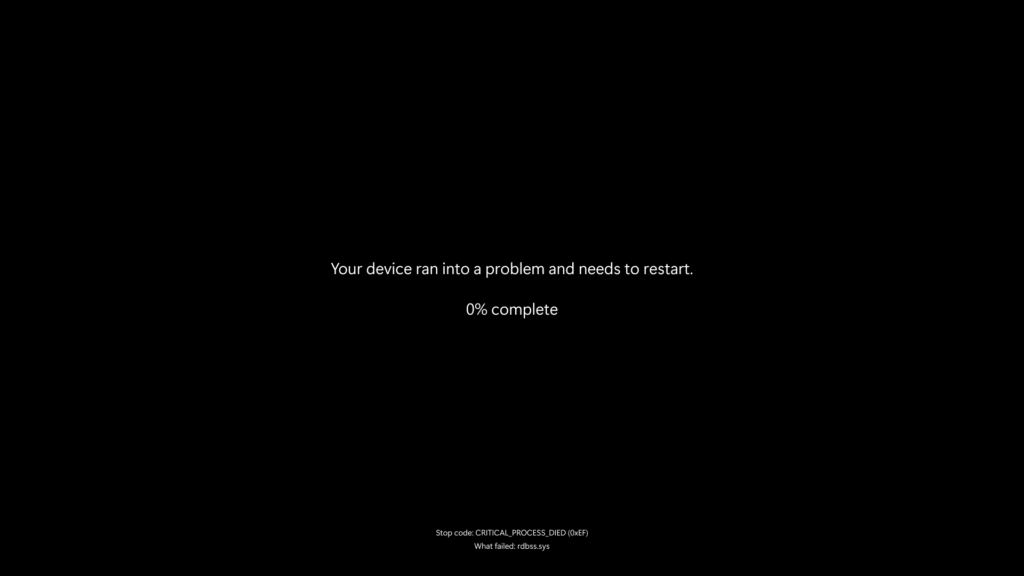
La interfaz de usuario simplificada para reinicios inesperados estará disponible a partir de finales de este verano en todos los dispositivos Windows 11, versión 24H2.
En el caso de reinicios inesperados consecutivos, los dispositivos pueden quedarse atascados en el entorno de recuperación de Windows (Windows RE), lo que afecta a la productividad y, a menudo, requiere que los equipos de TI dediquen mucho tiempo a solucionar problemas y restaurar los dispositivos afectados. Aquí es donde la recuperación rápida de la máquina (QMR, por sus siglas en inglés) puede ayudar. Cuando una interrupción generalizada afecta a los dispositivos para que no se inicien de manera correcta, Microsoft puede implementar de manera amplia correcciones dirigidas a los dispositivos afectados a través de Windows RE, automatizar las correcciones con QMR y llevar con rapidez a los usuarios a un estado productivo sin necesidad de una intervención manual compleja de TI.
Nos complace anunciar que QMR estará disponible para el público en general a finales de este verano junto con la renovada funcionalidad de reinicio inesperado. QMR es compatible con todas las ediciones de dispositivos Windows 11, versión 24H2. Está habilitado de forma predeterminada para dispositivos Windows 11 Home; Los administradores de TI tendrán el control total y podrán habilitarlo en dispositivos con Windows 11 Pro y Enterprise. A finales de este año, Microsoft lanzará capacidades adicionales para que los equipos de TI personalicen QMR.
Microsoft Connected Cache ahorra ancho de banda de Internet
Con los ecosistemas de trabajo interconectados de hoy en día, un ancho de banda de Internet confiable se ha vuelto esencial para las organizaciones que buscan resiliencia a través de un enfoque nativo de la nube para la administración de dispositivos. Un ejemplo: cuando todos los dispositivos de un sistema intentan descargar actualizaciones de manera simultánea, el ancho de banda de la red de una organización, en especial en las sucursales, puede verse afectado de manera negativa.
Microsoft Connected Cache puede ayudar a las organizaciones a mejorar su ancho de banda al realizar actualizaciones a Windows 11, el aprovisionamiento de dispositivos de Windows Autopilot, las instalaciones de aplicaciones de Microsoft Intune y las actualizaciones mensuales de Windows Autopatch. La caché conectada estará disponible para el público en general en las próximas semanas.
El ancho de banda de Internet se ahorra cuando los nodos de caché conectada almacenan en caché de forma transparente y dinámica el contenido publicado por Microsoft que los dispositivos Windows de nivel inferior necesitan descargar. Con esta solución, las solicitudes de contenido de Optimización de distribución pueden ser atendidas por el nodo de caché conectada implementado a nivel local, en lugar de la nube. Esto da como resultado una entrega rápida y eficiente en el ancho de banda a través de los dispositivos conectados.
Presentamos la impresión universal en cualquier lugar: impriman de forma segura, flexible y confidencial
La resiliencia organizacional es un concepto holístico que se extiende a los sistemas de impresora, incluidos los controladores de terceros que, aunque a menudo son esenciales para las operaciones, pueden ser un punto de exposición. Universal Print anywhere, también conocida como «impresión pull», permite a los usuarios enviar de forma segura su solicitud de impresión desde cualquier lugar de la organización a cualquier impresora autorizada.
Sobre la base de la versión segura existente con la funcionalidad de código QR (habilitada con la aplicación móvil de Microsoft 365), los usuarios pueden imprimir a través de la infraestructura de impresión protegida de Windows, sin tener que elegir una impresora por adelantado. Esta secuencia ayuda a garantizar que los documentos confidenciales no se dejen en la impresora para su visualización no autorizada y minimiza el desperdicio de tóner y papel de los trabajos de impresión no recogidos.
Esta actualización de impresión universal proporciona un control de TI adicional con una función que permite a los administradores configurar las opciones de impresión para un recurso compartido de impresora. Esto significa que los usuarios finales solo podrán ver las opciones seleccionadas por el administrador.
Obtengan actualizaciones sin interrupciones, gracias a la aplicación de parches en caliente
Una actualización de parche en caliente instala actualizaciones de seguridad importantes de Windows una vez al mes sin necesidad de reiniciar, lo que la protege de manera rápida y sin interrumpir el flujo de trabajo. Es fácil de usar y se incluye con Windows Autopatch.
Si los dispositivos cumplen los requisitos previos, pueden optar por la inclusión (o exclusión) de los dispositivos para la implementación automatizada a través de Windows Autopatch. Para obtener más información, visiten el Blog de hotpatch. Los dispositivos que no cumplan los requisitos recibirán actualizaciones de seguridad periódicas para ayudar a garantizar la protección.
Windows 365 Reserve: Mantengan la continuidad del negocio con acceso instantáneo a PC en la nube
Las interrupciones de los dispositivos, debidas a pérdidas, robos, retrasos o fallos de funcionamiento, pueden ser inconvenientes y perturbar la productividad. Es por eso que Microsoft acaba de anunciar Windows 365 Reserve, una nueva oferta para ayudar a las organizaciones a mitigar el riesgo de tiempo de inactividad. Windows 365 Reserve proporciona un acceso fácil y seguro a un PC en la nube temporal y preconfigurado, al que se puede acceder mediante dispositivos cuando el dispositivo principal de un usuario no está disponible.
Con Windows 365 Reserve, las organizaciones pueden crear una infraestructura de TI más resiliente y segura, en especial en el caso de un incidente de seguridad, dispositivos perdidos o robados, o la imposibilidad de acceder a su dispositivo físico, por cualquier motivo. Windows 365 Reserve pronto estará disponible en su versión preliminar. Completen este formulario o pónganse en contacto con su equipo de cuentas de Microsoft para expresar su interés en obtener la versión preliminar de Windows 365 Reserve.
Prepárense para un futuro digital con la resiliencia como base
El desarrollo de la resiliencia organizacional es un imperativo estratégico necesario a medida que avanzamos hacia una nueva era de capacidades y riesgos digitales. Las organizaciones equipadas con estrategias, mejores prácticas y herramientas que respaldarán su capacidad para mantener las operaciones a medida que anticipan, se preparan, responden y se recuperan de las disrupciones, tienen más probabilidades de prosperar y mantenerse competitivas dentro de los ecosistemas digitales complejos e interconectados de hoy.
Microsoft está aquí para apoyarles a medida que construyen resiliencia en su estrategia de seguridad con nuestro compromiso de WRI de ayudar a las organizaciones a prepararse para la incertidumbre, minimizar el riesgo y salir fortalecidas de cualquier desafío.
Tengan en cuenta estos enlaces útiles:
- Libro electrónico de la Iniciativa de Resiliencia de Windows
- Caché conectada de Microsoft para empresas
- Infraestructura segura de impresión en la nube
- Recuperación rápida de la máquina
- Actualización a Windows 11 24H2, el Windows más seguro y resistente hasta la fecha
Nota Aclaratoria:
Esta publicación de blog es solo para fines informativos y describe la dirección y los planes actuales del producto de Microsoft. La disponibilidad del producto, los términos de licencia y las capacidades pueden variar según la región y están sujetos a cambios. Todas las marcas comerciales de terceros son propiedad de sus respectivos dueños.
The post La Iniciativa de Resiliencia de Windows: Construcción de resiliencia para una empresa preparada para el futuro appeared first on Source LATAM.
The post La Iniciativa de Resiliencia de Windows: Construcción de resiliencia para una empresa preparada para el futuro appeared first on Source LATAM.